Showing posts with label artificial olfaction. Show all posts

Friday, August 21, 2026

Sons of E-Nose


They're using graphene sensors, they're using combinatorial coding, they're looking at the timing of the coding via the epithelium and not the spatial organization, and perhaps the most interesting finding, that good smells and bad smells are processed in a totally different way. And I'm sure  artificial noses will have no problem telling the difference between good and bad smells; random note of interest, wild roses, which smell like an intoxicating combination of armpits and vaginas, is not just good, it's great, and I'll bet that would be really confusing to an electronic nose robot that's never had sex before. 

Anyway, then they're looking real carefully at common chordata ancestors and insects alike for clues to how and where our olfactory genetic legacy came from. 

But finally, we may now have the first ever odor map of the epithelium; only took a few hundred years of curiosity.  

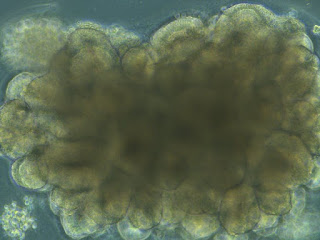
Image credit: Oxalic acid crystals during precipitation - James Dvorak - 1975 Nikon Photomicrography Competition 1st Place [link]


Lab-boosted olfactory receptor reveals new insights about how our sense of smell works
Oct 2025, phys.org

Researchers tweaked the C-terminal domains of ORs, resulting in increased OR cell-surface expression and sensitivity (100-fold improvement), and allowing them to "de-orphanize" several ORs, finding matching ligands for them.

via Givaudan the fragrance company: Roger Emter et al, Decoding human olfaction by high heterologous expression of odorant receptors detecting signature odorants, Current Biology (2025). DOI: 10.1016/j.cub.2025.09.041


AI-powered electronic nose detects diverse scents for health care and environmental applications
Apr 2025, phys.org

While conventional electronic noses (e-noses) have already been deployed in areas such as food safety and gas detection in industrial settings, they struggle to distinguish subtle differences between similar smells or analyze complex scent compositions.

The research team was inspired by the biological mechanism known as combinatorial coding, in which a single odorant molecule activates multiple olfactory receptors to create a unique pattern of neural signals. 

The novel electronic nose uses a laser to process a thin carbon-based material (graphene) and incorporates a cerium oxide nano catalyst to create a sensitive sensor array. This single-step laser fabrication method eliminates the need for complex manufacturing equipment and enables high-efficiency production of integrated sensor arrays. 

via Convergence Research Advanced Centre for Olfaction at Daegu Gyeongbuk Institute of Science and Technology: Hyeongtae Lim et al, Intelligent Olfactory System Utilizing In Situ Ceria Nanoparticle-Integrated Laser-Induced Graphene, ACS Nano (2025). DOI: 10.1021/acsnano.5c03601


AI model mimics brain's olfactory system to process noisy sensory data efficiently
May 2025, phys.org

Never heard this analogy before, good one: In this study, the Cornell researchers discovered exactly how the outer layers of the biological system — the olfactory epithelium and the outer layer of the olfactory bulb — perform computations that "create a firewall between the world and the brain."

Next, this development seems to focus on what I will call time instead of space, i.e., we aren't trying to figure out the sensory epithelial map of odor receptors because that doesn't really seem to matter much; instead we are now looking at the timing of the receptor or neuronal activity:

The researchers' work on the olfactory system has also yielded theoretical insights regarding spike-phase coding in the brain — a method by which neurons transmit information by tightly regulating the timing of their communication pulses. This common energy-conservation strategy, it is now clear, can also be leveraged for stable learning and regularization in practical scenarios where data can be noisy and scarce.

So look out for this:
"It suggests interesting parallels to recent work on quantization-aware training in machine learning..."

via Cornell Department of Psychology's Computational Physiology Lab and the AI for Science Institute: Roy Moyal et al, Heterogeneous quantization regularizes spiking neural network activity, Scientific Reports (2025). DOI: 10.1038/s41598-025-96223-z

Crystal of ascorbic acid - Richard B. Young - 1976 Nikon Photomicrography Competition 11th Place [link]

Nonlinear neural network model reveals how fly brains reduce odor complexity
Jun 2025, phys.org

This is ultimately about dimension reduction - which is a way of reducing the complexity of sensory data coming into our brains.

A relatively simple nonlinear model known as t-distributed stochastic neighbor embedding (t-SNE) has been developed. 

"The original t-SNE isn't biologically plausible — it's an engineering method rather than a neural network. We rewrote the algorithm so that it mimicked a biological neural network."

The model consisted of three layers, each of which corresponded to specific groups of neurons in the fly brain. It also incorporated dopamine-dependent Hebbian plasticity — the concept that the connection between two neurons will become stronger if they fire at the same time in the presence of dopamine.

via RIKEN Center for Brain Science: Kensuke Yoshida et al, A biological model of nonlinear dimensionality reduction, Science Advances (2025). DOI: 10.1126/sciadv.adp9048


Fruity fly study uncovers neural circuits for sensing the pleasantness or unpleasantness of odors
Oct 2025, phys.org

Researchers developed a method of recording the activity of all neurons in each brain region of the fruit fly by combining two-photon microscopy and optogenetic cell labeling, and by building a connectome model. The model predicted that unpleasant odors were represented by feedforward excitation of neurons across the lateral horn region, while pleasant odors were derived from additional local inhibition.

The most unexpected result was that the pleasantness and unpleasantness of odors are computed in circuits that are not only separate from each other, but also distinct in connectivity motifs. This means that in terms of the circuit, "good" is not simply the opposite of "bad".

via RIKEN Center for Brain Science: Makoto Someya et al, Distinct circuit motifs evaluate opposing innate values of odors, Cell (2025). DOI: 10.1016/j.cell.2025.08.032


Hagfish olfactory genes hint at ancient origins of vertebrate sense of smell
Dec 2025, phys.org

Recall the hagfish is something like the lapmprey;  it's what happens when a fish first becomes a mammal; it's got fins but they're used like legs, and it's got the same nose-brain parts of a fish, but it smells air as well as water, so that's new, phylogenetically speaking. (And the water part of smells is in the TAAR trace amine-associated receptors, which if my memory serves correct do not contain burnt smells, because you can't burn things underwater. And as for the vomeronasal, those aren't supposed to be working for humans so we don't look at those.) 

The researchers' findings reveal that certain olfactory receptor gene families have undergone substantial lineage-specific diversification, suggesting that the vertebrate common ancestor likely possessed a broader and more complex olfactory repertoire than previously proposed.

In vertebrates, four major receptor families mediate olfaction; these include olfactory receptors (ORs), vomeronasal type 1 receptors (V1Rs), vomeronasal type 2 receptors (V2Rs), and trace amine-associated receptors (TAARs). However, the evolutionary origin and early diversification patterns of these receptor classes remain poorly understood.

In this study, the researchers examined the hagfish genome for genes linked to ORs. In total, they identified 48 OR genes, two V1R genes, a surprisingly large set of 135 V2R genes, and no TAAR gene.

Notably, the presence of true V2Rs in hagfish overturns the long-standing assumption that these receptors evolved only in jawed vertebrates.

Conversely, the results of this study suggest that functional V2Rs were already present in the common ancestor of all vertebrates and that they subsequently diversified in a lineage-specific manner.

via University of Tsukuba: Hirofumi Kariyayama et al, Hagfish olfactory repertoire illuminates lineage-specific diversification of olfaction in basal vertebrates, iScience (2025). DOI: 10.1016/j.isci.2025.114118

Crystals in quenched steel in a matrix of austenite - Harlan H. Baker - 1977 Nikon Photomicrography Competition 7th Place [link]

Insect-inspired robot tracks odors even with only one working 'antenna'
Mar 2026, phys.org

I'm just here to say it's funny how they don't use the beating wings method, the one just discovered in the past year, for enriching the air sample with a better representation of the ambient air from less sensors (one lost antennae). 

Bio-inspired robotic system can locate odor sources even if one of its two sensors fails: The silkmoth Bombyx mori utilize a bilateral pair of antennae to enable accurate localization of an odor source. But if one antenna is lost, they use the positional angle of their head to dynamically integrate odor location information. 

via National Institute of Informatics, Tohoku University: Shunsuke Shigaki et al, Insect-inspired adaptive behavioral compensation strategy against olfactory sensory deficiency for robotic odor source localization, npj Robotics (2026). DOI: 10.1038/s44182-026-00080-5


Scientists create first-ever 'smell map' of the nose's smell receptors
Apr 2026, phys.org

(This is a very, very big deal in the smell science world)

The team discovered that unlike what scientists had long believed, the neurons expressing these receptors have a high degree of spatial organization: They form horizontal stripes based on receptor type from the top of the nose to the bottom.

"Our results bring order to a system that was previously thought to lack order, which changes conceptually how we think this works."

Moreover, the researchers established that the receptor map in the nose matches up with smell maps in the olfactory bulb of the brain, providing clues about how information moves from the nose to the brain.

Maps have long existed that describe how receptors in the eye, ear, and skin are organized to capture and interpret auditory, visual, and touch information—and scientists have figured out how these maps correspond with those inside the brain.

However, "Olfaction has been the one exception; it's the sense that has been missing a map for the longest time."
(Again, very big deal)
In their new study, the researchers combined single-cell sequencing and spatial transcriptomics techniques to examine around 5.5 million neurons in more than 300 individual mice. The first technique allowed them to identify which smell receptors were expressed by neurons in the nose, and the second let them determine the locations of those receptors.

"This is now arguably the most sequenced neural tissue ever, but we needed that scale of data in order to understand the system."

They discovered that the neurons are organized into tight, overlapping, horizontal stripes from the top of the nose to the bottom based on the type of smell receptor they express. This highly organized receptor map was consistent across the mice and mirrored the organization of smell maps in the brain, just like researchers have observed in vision, hearing, and touch.

via Blavatnik Institute at Harvard Medical School: A spatial code governs olfactory receptor choice and aligns sensory maps in the nose and brain, Cell (2026). DOI: 10.1016/j.cell.2026.03.051

Also: Spatial Organization and Detection of Social Odors in Mouse Primary Olfactory System, Cell (2026). DOI: 10.1016/j.cell.2026.03.053. www.cell.com/cell/fulltext/S0092-8674(26)00389-2


Friday, April 4, 2025

Ontogenetics and Olfaction


To help AIs understand the world, researchers put them in a robot
Feb 2025, Ars Technica

“The inspiration for our model came from developmental psychology. We tried to emulate how infants learn and develop language”

Researchers also tried teaching an AI using a video feed from a GoPro strapped to a human baby. The problem is babies do way more than just associate items with words when they learn. They touch everything - grasp things, manipulate them, throw stuff around, and this way, they learn to think and plan their actions in language. An abstract AI model couldn’t do any of that, so Vijayaraghavan’s team gave one an embodied experience - their AI was trained in an actual robot that could interact with the world.

(The writeup for this article by Jacek Krywko for Ars Technica is very good.)

This is the idea, but instead of just an RGB camera, we need proprioception and the emotions that go along with it, and we'll have artificial smelling entities. 

via Okinawa Institute of Science and Technology: Science Robotics, 2025. DOI: 10.1126/scirobotics.adp0751


Tuesday, February 4, 2025

Fragrance Generators


Text generators and image generators and even video generators have been hitting the streets and hitting our screens for a while now, but let's not forget the molecule generators, maybe we could call them chemical generators and make it real confusing (they're generating possible chemicals, like the formula for a chemical not yet known by science, not actual chemicals; that's for a different robot). 

Perfume engineering uses trial-and-error to find new fragrant chemicals. That's how we do everything before we know how to do it. It's very inefficient. So now we're trying to use machine learning to take at least some of the guessing out of all this. And it works, sort of. 

Machine learning gives us new molecules to work with, but it doesn't tell us how to combine those molecules with others. It can't predict the perceived intensity of the just-discovered but not-yet-created molecule.

Molecules yes, perception no.

Perfumes have no copyright protections; they are protected by the inability for people to guess the composition. You can get the molecules right, but not the amounts relative to each other; changing the ratio of even two molecules from 10:1 to 10:3 is enough to mess up the overall effect.

So this effort is to predict the overall effect of a bunch of molecules mixed toegther, not just one but a bunch together. They train a neural net using molecules and words. I can't really tell which word-dataset they're using, because it seems to be proprietary, and based on Teixeira et al's 2014 Perfumery Radar 2.0 (https://sci-hub.se/10.1021/ie403968w).


Using AI to replicate odors and validating them via experimental quantification of perfume perception
Mar 2024, phys.org

via Norwegian University of Science and Technology: Bruno C. L. Rodrigues et al, Molecule Generation and Optimization for Efficient Fragrance Creation, arXiv (2024). DOI: 10.48550/arxiv.2402.12134


I'm skeptical because the list is so short, but it might be as simple as this: citrus, fruity, green, floral, herbaceous, musk, oriental, and woody; and based on the rationale that this small group represents 75% of the odor space (Teixeira 2010). 

There are less common descriptors such as leather, gourmand, aldehydic, balsamic, and herbal which are used only twice. One dimensional descriptors are tobacco, modern chypre, floral oriental, soft oriental, mossy woods, dry woods, and mint, among others. Some molecules didn't come with their own notes, so Good Scents was used as a reference.

Here's a list of the lexica for odor descriptions mentioned in the Perfumery Radar text - Calkin and Jellinek, Jaubert, Roudnitska, Edwards' Fragrance Wheel, Zarzo and Stanton, Boelens-Haring and Thiboud. Apart from these, each fragrance company or perfumer has their own that they've developed over the years. The Perfumery Radar 2.0 itself uses a base layer with eight olfactory families, and two additional layers: an outer layer with seven descriptors and an inner layer with 17 descriptors. 

And here's the info from their table on the most used descriptors by fragrance companies: floral, woody, citrus, fruity, green, oriental, chypre, aromatic, fouger̀e, musk, spicy, ambery, marine; used in different ways by Givaudan, Osmoz, International Flavors & Fragrances, Symrise, Frutarom, MANE, Societ́é Franca̧ise des Parfumeurs (SFP), The Fragrance Foundation, Avon, Fragrantica, LaLoff.

They talk about the difference between using common words for olfactory perception and the more limited set of words used by expert perfumers, which is an important part of constructing these lexica, and also that each fragrance house maps the olfactory space in its own way. 

via Chemical Engineering Department of the Norwegian University of Science and
Technology, Laboratories of Separation and Reaction Engineering and of Catalysis
and Materials and of Chemical Engineering at University of Porto, and SIA Murins Startups in Latvia:  BC Rodriguex et al. Molecule Generation and Optimization for Efficient Fragrance Creation.  

Monday, February 3, 2025

Brother of E-Nose


This is about not your Grandma's electronic nose, but other versions that have been showing up:

Researchers develop biomimetic olfactory chips to enable advanced gas sensing and odor detection
Mar 2024, phys.org

Most electronic noses work electrochemically, but this one is biomimetic, so that's new.

"In the future, with the development of suitable bio-compatible materials, we hope that the biomimetic olfactory chip can also be placed on the human body to allow us to smell an odor that normally cannot be smelled. It can also monitor the abnormalities in volatile organic molecules in our breath and emitted by our skin, to warn us on potential diseases, reaching further potential of biomimetic engineering," said Prof. Fan.

via Hong Kong University of Science and Technology: Chen Wang et al, Biomimetic olfactory chips based on large-scale monolithically integrated nanotube sensor arrays, Nature Electronics (2024). DOI: 10.1038/s41928-023-01107-7


Combining human olfactory receptors with artificial organic synapses and a neural network to sniff out cancer
May 2024, phys.org

The device has three parts. a nanodisk containing modified human olfactory receptors grown using E. coli bacteria, a device that simulates neural synapses, and an artificial neural network trained on four specific fatty acids that are known to be present in breath samples of people with certain types of gastric cancers.

The research team plans to continue their work by adding more receptors.

(Only 400 receptors to go!)

via Seoul National University: Hyun Woo Song et al, A pattern recognition artificial olfactory system based on human olfactory receptors and organic synaptic devices, Science Advances (2024). DOI: 10.1126/sciadv.adl2882


Artificial 'nose' can sniff out damaged fruit and spoiled meat
Oct 2024, phys.org

Ah yes - The Antenna Nose:

"Other electronic noses can have several hundred sensors, often each coated with different materials. This makes them both very power-intensive to operate and expensive to manufacture. They also entail high material consumption. In contrast, the antenna sensor consists of only one antenna with one type of coating."

The antenna transmits radio signals at a range of different frequencies into the surroundings. It then analyzes how they are reflected back. The way the signals behave changes based on the gases present, and because the antenna transmits signals at multiple frequencies, the changes create unique patterns that can be linked to specific volatile organic compounds - even isomer compounds that "look" very similar to even the most sophisticated E-noses.

via Department of Manufacturing and Civil Engineering at Norwegian University of Science and Technology: Yu Dang et al, Facile E-nose based on single antenna and graphene oxide for sensing volatile organic compound gases with ultrahigh selectivity and accuracy, Sensors and Actuators B: Chemical (2024). DOI: 10.1016/j.snb.2024.136409


Tiny electronic nose rivals animal scent detection
Nov 2024, phys.org

They measure the timing and frequency of odor bursts in highly chaotic air movements of odor plumes to guess the size and spread of the odor plume.

We found it could accurately identify odors in bursts as short as 50 milliseconds. Even more, it could decode patterns between odors switching up to 40 times per second, which is similar to what mice can do when they perform source-separation tasks. This means our device can "smell" at speeds that match those of animals.

They used metal-oxide gas sensors as well as temperature and humidity sensors, improved with high-end electronics and custom-designed algorithms that can sample and control these sensors fast and precisely. 

"We also discovered that rapidly switching the temperature of the sensors back and forth between 150°C and 400°C about 20 times per second produced quick, distinctive data patterns that made it easier to identify specific smells. This approach allowed our device to pick up odors with remarkable speed and accuracy."

via Biocomputation Group, University of Hertfordshire and International Centre for Neuromorphic Systems at Western Sydney University: Nik Dennler et al, High-speed odor sensing using miniaturized electronic nose, Science Advances (2024). DOI: 10.1126/sciadv.adp1764


Nanopore-based 'artificial tongue' can determine chemical makeup of alcoholic drinks
Dec 2024, phys.org

"A single-molecule sensor for rapid analysis of alcoholic beverages" uses a mycobacterium modified with a pore just a few nanometers in diameter.

via Nanjing University: Pingping Fan et al, Nanopore signatures of major alcoholic beverages, Matter (2024). DOI: 10.1016/j.matt.2024.11.025


Thursday, February 22, 2024

How Robots Will Learn to Smell


Parenting a 3-year-old robot
Aug 2023, phys.org

RoboAgent, an artificial intelligence agent that leverages passive observations and active learning to enable a robot to acquire manipulation abilities on par with a toddler. The team's agent learns through a combination of self-experiences and passive observations contained in internet data. As a parent would guide their child, researchers teleoperated the robot through tasks to provide it with useful self-experiences.

Our novel policy architecture allows our agents to reason even with limited experiences, using temporal chunks of movements instead of commonly used per-timestep actions, and learning from videos on the internet, akin to how babies acquire knowledge and behaviors by passively observing their surroundings.

via Carnegie Mellon University and Facebook: RoboAgent and RoboSet Project - Towards Sample Efficient Robot Manipulation with Semantic Augmentations and Action Chunking. Homanga Bharadhwaj et. al. 

Post Script: Partnership between Carnegie Mellon University and Meta, which is exactly how you wanted this to happen.


Thursday, January 18, 2024

Electronic Hedonics


Electronic noses sniff out volatile organic compounds
May 2023, phys.org

Many e-noses generate different signals toward VOCs of the same concentration when the sensor is located in different parts of the "nose" chamber:

"To counteract this problem, the fluidic behavior of the gas flow needs to be well controlled," said author Weiwei Wu. "This ensures a uniform fluidic field and concentration of VOCs in the chamber and avoids generating any fake sensing characteristics."

A vertical chamber that looks much like a showerhead promotes vertical flow so gas spreads through holes at the bottom of the device and around to evenly distributed sensors.

via Interdisciplinary Research Center of Smart Sensors, School of Advanced Materials and Nanotechnology, Xidian University; Intelligent Perception Research Institute, Zhejiang Lab, Hangzhou: Controlling fluidic behavior for ultrasensitive volatile sensing, Applied Physics Reviews (2023). DOI: 10.1063/5.0141840

Note: This problem has come up in two other papers where they talk about how the two different nostrils cancel each other out because they can't rely on evenly distributed air; it messes up the statistics, so at least with two different nostrils, you can have some error correction. See "Domestic cat nose functions as a highly efficient coiled parallel gas chromatograph", We et al. PLoS Computational Biology (2023). DOI: 10.1371/journal.pcbi.1011 https://pubmed.ncbi.nlm.nih.gov/37384594/ and "Odor representations from the two nostrils are temporally segregated in human piriform cortex", Dikeçligil et al, Current Biology (2023). DOI: 10.1016/j.cub.2023.10.021 https://dx.doi.org/10.1016/j.cub.2023.10.021


Perceiving the smell of lemon, geranium or eucalyptus: A study on the electrical signals behind human olfaction
Jul 2023, phys.org

Somewhat related to electronic noses, real-live odor receptors obtained from nasal biopsies:

"Until now, nobody had measured in intact human tissue the electrical activity of cells, neurons and epithelial cells that form the olfactory epithelium of our nose in which odorant molecules are captured."

via International School of Advanced Studies, Aldo Moro University of Bari, University of Trieste, and the Otorhinolaryngology Clinic of Azienda Sanitaria Universitaria Giuliano Isontina: Andres Hernandez-Clavijo et al, Shedding light on human olfaction: electrophysiological recordings from sensory neurons in acute slices of olfactory epithelium, iScience (2023). DOI: 10.1016/j.isci.2023.107186


'Electronic tongue' holds promise as possible first step to artificial emotional intelligence
Oct 2023, phys.org

It sounds to me a bit of a stretch right now to call this emotional intelligence; it sounds like basic chemical detection to me, but with the addition of a memristor.

The memristor is the new part, and one day we will have gustatory chips, and olfactory chips, vision chips, etc.; chips for everything; everything will have its own chip. Christmas chips and new mother chips and traffic chips for cars and ambient energy harvesting chips for sneakers and even organic chemistry chips for med students so they don't have to study. Everything will have its own chip. There won't be categories of chips, instead every single thing will have its own chip. Just not today. 

Continuing:

The artificial tastebuds comprise tiny, graphene-based electronic sensors called chemitransistors that can detect gas or chemical molecules. The other part of the circuit uses memtransistors, which is a transistor that remembers past signals, made with molybdenum disulfide. This allowed the researchers to design an "electronic gustatory cortex" that connect a physiology-drive "hunger neuron," psychology-driven "appetite neuron" and a "feeding circuit."

"When detecting salt the device senses sodium ions. This means the device can 'taste' salt."

"We are trying to make arrays of graphene devices to mimic the 10,000 or so taste receptors we have on our tongue."

via Penn State: Subir Ghosh et al, An all 2D bio-inspired gustatory circuit for mimicking physiology and psychology of feeding behavior, Nature Communications (2023). DOI: 10.1038/s41467-023-41046-7

Thursday, November 30, 2023

The Olfactory Singularity Has Arrived


AKA Alpha Nose

Submitted to biorxiv's preprint server in September/December 2022, and published in Science September 2023, it's the first model to out-smell regular humans. If you think your sentient sovereignty is threated by a computer than can draw a picture, then it's probably time for you to get some benzodiazepines. 

You give this thing a molecule and it will tell you what it msells like. More specifically, if you type into a computer the name of a chemical, it will give you words that describe the way that chemical smells, and it will be better at doing it than a human. 

Ray Kurzweil smirks. (Because it's not 2030 yet.)

The language of smell has been a tricky thing for a long time. It became pretty obvious just how tricky when we all woke up one day to realize that you can't google smells. And then, by extension, we realized that the Internet doesn't smell, and something must be wrong, because if it's not on the internet, then it doesn't exist. 

Attempts were made to correct this. The DREAM dataset, sometimes referred to as Keller 2017, sometimes as the Rockefeller study, was the first to use the power of machine learning to crunch chemoinformatics and natural language into a prediction machine for speaking in smells. But even they had some problems, and were not able to score better than humans. Only five years later, and it's done (with the help of the Google Brain, of course).

Today, the Internet can smell.

Introductory Remarks:

  • “In olfaction, no reliable instrumental method of measuring odor perception exists, and trained human sensory panels are the gold standard for odor characterization.” (17)
  • “The model is as reliable as a human in describing odor quality: on a prospective validation set of 400 novel odorants, the model-generated odor profile more closely matched the trained panel mean than did the median panelist.”
  • The model "performs roughly on par with the median human panelist, beating a chemoinformatic baseline."
  • "The model is as reliable as a human in describing odor quality"

Methods:

  • "To generate odor-relevant representations of molecules, we constructed a Message Passing Neural Network, a specific type of graph neural network, to map chemical structures to odor percepts. Each molecule is represented as a graph, with each atom described by its valence, degree, hydrogen count, hybridization, formal charge, and atomic number. Each bond is described by its degree, aromaticity, and whether it is in a ring. Unlike traditional fingerprinting techniques, which assign equal weight to all molecular fragments within a set bond radius, a GNN can optimize fragment weights for odor-specific applications."
  • "To train the model, we curated a reference dataset of approximately 5000 molecules, each described by multiple odor labels (e.g. creamy, grassy), by combining the Goodscents and Leffingwell flavor and fragrance databases."
  • Also, for novel odors, "We trained a cohort of subjects to describe their perception of odorants using the Rate-All-Tat-Apply method (RATA) and a 55-word odor lexicon."

Results:
  • called a Principal Odor Map (POM)
  • faithfully represents known perceptual hierarchies and distances
  • extends to novel odorants
  • is robust to discontinuities in structure-odor distances
  • generalizes to other olfactory tasks.

Notes of Interest:

  • The term "Odor Islands" is used when referring to certain globs of similar odors in odor space; just a cool term that was never able to exist before this model was created. 
  • Another term, "ground-truth" used while describing the model's ability to match novel odorants, "establish the ground-truth odor character for novel odorants." It's funny because the term "baseline" is corrupt in that it can sometimes refer to the previous chemoinformatics baselines, which are now inferior.
  • On Musk: "When we disaggregate performance by odor label, the model is within the distribution of human raters for al labels except musk" (which they later explain as it having 5 structural classes, as opposed to garlic or fishy which have clear structural determinants like sulfur or amines; but also the "well-documented phenomenon" of genetic variability of perception to musk.
  • On Familiarity: "[W]e see strong panelist-panel agreement for labels describing common food smells and weak agreements for labels like musk and hay."
  • On Flavor and Fragrance vs Everyday Smells: The model is better for things that have lots of training data like fruity sweet floral, less so for the less so ("ozone, sharp, fermented").
  • On Sulfur: Disaggregated by chemical class, sulfur-containing molecules showing strongest performance.
  • On Why the Language of Smell is Hard for Humans: People guess the odor wrong (aka correlation to panel mean is low) because 
1. genetic diversity for musk* (problems with the humans)
2. structural diversity like musk (problems with the chemoinformatics data)
3. unfamiliar like ozone (again problems with the humans**) 

*I thought genetic diversity was also strong for anything with a specific anosmia like putrescene or trimethylamine, then again, they didn't test "bad" smells or what I call everyday smells; the traditional Dravnieks dataset is ultimately a legacy of the flavor and fragrance industry, so it weighs heavier on good smells vs bad.

**Although unfamiliarity is a reason for this type of identification-difficulty, it should be extended beyond the individual human to our society, or maybe a bit of the fragrance industry with a bit of academia. The semantic dataset, which I will call the RATAset for "rate-all-that-apply," which is like the opposite of a multiple choice, and great for naming smells, still only uses 55 terms taken from Goodscents and Leffingwell. I would be willing to bet that more people actually know what ozone smells like, for example, they just don't have the right language at hand for naming it.  

  • On Odorant Sample Contamination: The entire section on quality control is fascinating, and news to me. "Chemical materials are impure -- a fact too often unaccounted for in olfactory research. (24: M. Paoli, D. Münch, A. Haase, E. Skoulakis, L. Turin, C. G. Galizia, Minute Impurities Contribute Significantly to Olfactory Receptor Ligand Studies: Tales from Testing the Vibration Theory. eneuro. 4, ENEURO.0070–17.2017 (2017).)"
  • Contamination, continued: Not only were there cases where the descriptions given by panelists seemingly inaccurate and later proven by GC/MS QC to be contaminated (so the panelists were right; their guess didn't match the molecule as named by the lab that sent the sample, but it did match the GCMS), but in some cases even the model got it "wrong," which implies that much of the training data is wrong, which means many of the samples of that particular chemical are likely to be contaminated. They only tested 50 of the 400 with this GCMS, but of the 50, they removed 26!
  • Contaminated Vials vs Non-Contaminated Datasets: The datasets do have words like burnt, fishy, animal, musty, sour; but these are all words that can be used to describe good parts of flavors and fragrances ("slightly burnt" or "slightly fishy"). People don't use the word semen, ever; and you will almost never see that word written in regular discourse about olfaction or the language of smell, or even when talking about linden blossoms (go right ahead, try it for yourself); it's like we're literally not allowed to talk about it. Same with the word fecal or shit or etc. There is no "dirty sock," "cigarette butt," or "cat pee" in either the Goodscents or the Leffingwell datasets. Which leads us to this --
  • They recommend characterizing the perceptual quality of contaminants.
  • "[I]t is not safe to assume that the odor percept of a purchased chemical is due to the nominal compound." (And they add that non-flavor-and-fragrance chemical commodities are not incentivized to minimize contaminants.)
  • Beyond the Perimeter of Ignorance: They created a potential odor space of 500,000 odorants "unknown to science or industry". And then then compute for us that it would take "70 person-years of continuous smelling time" to collect. (that's a lot of smelling time)
  • Limitations: The model's main limitation is that it can predict the odors of only single molecules; in the real world of perfumes and stinky trash bags, smells are almost always olfactory medleys. “Mixture perception is the next frontier,” Mayhew says. The vast number of possible combinations makes predicting mixtures exponentially more difficult, but “the first step is understanding what each molecule smells like,” Meyer Rojas says. -Scientific American Dec 2023 Machine Learning Creates a Massive Map of Smelly Molecules https://www.scientificamerican.com/article/machine-learning-creates-a-massive-map-of-smelly-molecules/

Notes:

via Michigan State University Department of Food Science and Human Nutrition, University of Reading Department of Food and Nutritional Sciences, Google, and Monell Chemical Senses Center: A principal odor map unifies diverse tasks in olfactory perception. Brian Lee, Emily Mayhew, Joel Mainland. Science. 2023 Sep;381(6661):999-1006. doi: 10.1126/science.ade4401.

Preprint fulltext:

Formal citation:
Lee BK, Mayhew EJ, Sanchez-Lengeling B, Wei JN, Qian WW, Little KA, Andres M, Nguyen BB, Moloy T, Yasonik J, Parker JK, Gerkin RC, Mainland JD, Wiltschko AB. A principal odor map unifies diverse tasks in olfactory perception. Science. 2023 Sep;381(6661):999-1006. doi: 10.1126/science.ade4401. Epub 2023 Aug 31. PMID: 37651511.

The Good Scents Company http://www.thegoodscentscompany.com


Thursday, July 6, 2023

E Noses Never


Read this to learn how basically e-noses are relegated to science fiction for the next 20 years at least:

How to make electronic noses smell better
Apr 2023, phys.org
https://techxplore.com/news/2023-04-electronic-noses.html

via Xi'an China Northwestern Polytechnical University: Taoping Liu et al, Review on Algorithm Design in Electronic Noses: Challenges, Status, and Trends, Intelligent Computing (2023). DOI: 10.34133/icomputing.0012


'Electronic nose' built with sustainably sourced microbial nanowires could revolutionize health monitoring
Feb 2023, phys.org

Grown by bacteria. Great, but each nanowire needs to be programmed for each molecule, so a typical top-down approach.

via University of Massachusetts Amherst: Yassir Lekbach et al, Microbial nanowires with genetically modified peptide ligands to sustainably fabricate electronic sensing devices, Biosensors and Bioelectronics (2023). DOI: 10.1016/j.bios.2023.115147


A robot able to 'smell' using a biological sensor
Jan 2023, phys.org

10,000 times higher than the usual electric-based sensors, these are now biological sensors (not sure the difference). And then they program a "library of smells", so keep in mind that, like all other smell sensors out there, these don't just smell anything that happens to be in the environment -- they can only smell things that have been pre-selected and trained-on. 

via Tel Aviv University's Sagol School of Neuroscience and School of Zoology: Shvil Neta et al, The Locust antenna as an odor discriminator, Biosensors and Bioelectronics (2022). DOI: 10.1016/j.bios.2022.114919


New devices for conveying olfactory stimuli in virtual reality
May 2023, phys.org

Aerosols and atomizers add bulk to VR gear and entail bottle filling and cleaning. This new approach uses paraffin imbued with scents, released by a temperature-sensing resistor that controls a heating element - the more heat the more scent. But wait -- magnetic induction coils pull heat away from the face to cool the wax quickly when the scent is no longer needed. 

The removal of scent is actually the harder problem to solve than the introduction of scent in these kinds of systems.

via City University of Hong Kong, Beihang University and Shandong University: Yuhang Li, Soft, miniaturized, wireless olfactory interface for virtual reality, Nature Communications (2023). DOI: 10.1038/s41467-023-37678-4

Thursday, October 27, 2022

Advances in Olfactory Perception


Scientists use machine learning to predict smells based on brain activity in worms
Jan 2022, phys.org

Putting this here because they used graph theory aka network science to decode the otherwise cacophony of neuronal crosstalk involved in smelling.

Also, why C. elegans? It has only 302 neurons, that's why:

Chalasani's team set out to study how C. elegans neurons react to smelling each of five different chemicals: benzaldehyde (almond), diacetyl (popcorn), isoamyl alcohol (banana), 2-nonanone (cheese), and sodium chloride (salt).

The researchers engineered C. elegans so that each of their 302 neurons contained a fluorescent sensor that would light up when the neuron was active. 

By looking at basic properties of the datasets—such as how many cells were active at each time point—Chalasani and his colleagues couldn't immediately differentiate between the different chemicals. So, they turned to a mathematical approach called graph theory, which analyzes the collective interactions between pairs of cells: When one cell is activated, how does the activity of other cells change in response?

The algorithm was able to learn to differentiate the neural response to salt and benzaldehyde but often confused the other three chemicals.

via Salk Institute, Cold Spring Harbor Laboratory and UC San Diego: Javier J. How et al, Neural network features distinguish chemosensory stimuli in Caenorhabditis elegans, PLOS Computational Biology (2021). DOI: 10.1371/journal.pcbi.1009591

a highly detailed, macro shot of a human nose, 8k, depth of field


The art of smell: Research suggests the brain processes smell both like a painting and a symphony
Apr 2022, phys.org

"These findings reveal a core principle of the nervous system," using a model to simulate the workings of the early olfactory system. This is a reminder that the olfactory system is an ideal model for understanding the brain.

In their computer simulation, they found that centrifugal fibers switched between two different modes -- one worked on a specific instant in time, while the other worked on the neural patterns across time.

This is where I make a further interpretation, which might be incorrect, but it seems like one is for comparing a smell to the body's repository (is this good or bad for me? have I smelled this before? where? who was I with?) and the other mode is for comparing the smell against itself, over time, perhaps to learn whether it's getting stronger or weaker. One uses autobiographical, physiological memory, and the other uses basic chemotaxis. One ontogeny and the other phylogeny?

Anyway, another reminder by one of the authors that the olfactory system is a good model: "Computational approaches inspired by the circuits of the brain such as this have the potential to improve the safety of self-driving cars, or help computer vision algorithms more accurately identify and classify objects in an image." -Krishnan Padmanabhan, associate professor of Neuroscience at University of Rochester School of Medicine and Dentistry

via University of Rochester Medical Center: Zhen Chen et al, Top-down feedback enables flexible coding strategies in the olfactory cortex, Cell Reports (2022). DOI: 10.1016/j.celrep.2022.110545


Sniffing out the brain's smelling power
Oct 2022, phys.org

(Out of order but seemingly related to the above) Here's another way of thinking of the two processes to smelling -- We said mitral cells are what do the smelling, but mostly because those were the ones we could see. Tufted cells were harder to see, up until now -- they find that the mitral cells were faster, more discriminating, and more broadly-tuned. 

The authors think the mitral cells only enhance important smells, but the tufted cells are part of a background process for identity and intensity. 

via Cold Spring Harbor Laboratory: Honggoo Chae et al, Long-range functional loops in the mouse olfactory system and their roles in computing odor identity, Neuron (2022). DOI: 10.1016/j.neuron.2022.09.005

a straight smooth vertical tube with the texture of human skin, highly realistic, hyper-real, 4k, Octane render 

Researchers map mouse olfactory glomeruli using state-of-the-art techniques
Apr 2022, phys.org

While other research teams previously examined the organization of glomeruli in the olfactory bulb, so far they only identified the positions of a limited subset of these clusters. As a result, the relationship between the location of glomeruli and odor discrimination has been very difficult to infer.

They used a combination of single-cell RNA sequencing, spatial transcriptomics and machine learning techniques. This allowed them to create a map that outlined the brain regions where most of the sensory neurons in the mouse olfactory bulb sent odor-related information.

via University of Massachusetts Medical School, Broad Institute of Harvard and MIT, and Stanford University: I-Hao Wang et al, Spatial transcriptomic reconstruction of the mouse olfactory glomerular map suggests principles of odor processing, Nature Neuroscience (2022). DOI: 10.1038/s41593-022-01030-8


How mosquito brains encode human odor so they can seek us out
May 2022, phys.org

Of the two nerve centers, one responds to many smells including human odor, essentially saying, "Hey, look, there's something interesting nearby you should check out," while the other responds only to humans. Having two may help the mosquitos home in on their targets, the researchers suggest.

First genetically engineer mosquitos whose brains lit up when active, and then deliver human-flavored air (with decanal and undecanal).

"When I first saw the brain activity, I couldn't believe it—just two glomeruli (out of 60) were involved. That contradicted everything we expected, so I repeated the experiment several times, with more humans, more animals. I just couldn't believe it. It's so simple."

via Princeton: Carolyn McBride, Mosquito brains encode unique features of human odour to drive host seeking, Nature (2022). DOI: 10.1038/s41586-022-04675-4

Thursday, March 17, 2022

Flipping the Switch


The 'surprisingly simple' arithmetic of smell
Jan 2022, phys.org

The age of artificial olfaction is upon us.

This is now the second report in the last few months that presents a computational model for the olfactory bulb, which is the biological supercomputer on your face that crushes gigtons of databytes per attosecond (slight exaggeration).

The last paper came from a physicist working on information theory (Tavoni et al at Penn State). Another paper the month prior, which came from none other than the lab that discovered olfactory receptors, found, again, a computational model, discovered via machine learning, that compresses the n-dimensionality of odorant sensory data. 

But again, this new paper comes primarily from a department of electrical and systems engineering, in collaboration with the biomedical engineering department. I don't know everything that's going on, I only read the papers on the weekends, but that's a lot of papers about computing in olfaction, and from people who do not study olfaction exclusively.

And this is at the level of the bulb. We're not talking about the DREAM project, where big-data's worth of words and molecules are processed by GPT-3 to predict the names of smells. This is about looking at the hardware. How in the world does that bulb, which compresses thousands of receptors, themselves receiving information from un-countable stimuli, into dozens of signals that go on to control the entire enormity of a mammalian body via its limbic system. The bulb is the choke point for this system, and it's using magic that we are only now beginning to understand to the point of copying it. 

I doubt this is the earliest example, but as far back as 1991, scientists were talking about olfaction as a model system for computational neuroscience. These were neuroscientists and psychologists writing about this. But they could see the significance -- it's literally wired like the deep learning neural networks you hear about in the news (you know, powering the AI in your toaster, your tissue box and your alarm clock). 

It really looks like we're getting the hang of this. They started with a simple question -- how come things smell the same to us, even in different contexts or environments? Like how a plaid shirt looks okay in your sunlit bedroom, but later looks like a shit sandwich in the fluorescent lights of your office (or remember the black-and-gold dress? maybe you're trying to forget). 

If smells come from evaporating molecules, which are literally volatile, changing all the time based on environmental conditions, how come they always smell the same to us? Maybe olfaction would be a good model to investigate. 

So they did, by pairing locusts with a training smell, under all kinds of different conditions, hungry, full, hot, cold, humid, dry. Every time, the locust recognized the training smell (with the locust equivalent of a salivating dog). Yet, "The neural responses were highly variable," one of the researchers said. Same molecule, same response, but completely different receptor patterns, every time. It just doesn't make sense.

Deep learning to the rescue (obviously). The algorithm found that it's the interaction of activating and inhibiting neurons; I'll copy the copy directly:

Finding the features you want is similar to the information conveyed by the ON neurons. Absence of deal breakers is similar to silencing of the OFF neurons. As long as enough ON neurons that are typically activated by an odorant have fired—and most OFF neurons have not—it would be a safe bet to predict that the locust will open its palps in anticipation of a grassy treat.

via the Department of Electrical and Systems Engineering and the Department of Biomedical Engineering, Washington University in St. Louis: Srinath Nizampatnam et al, Invariant odor recognition with ON–OFF neural ensembles, Proceedings of the National Academy of Sciences (2022). DOI: 10.1073/pnas.2023340118

And further reading:
via University of Pennsylvania: Gaia Tavoni et al, Cortical feedback and gating in odor discrimination and generalization, PLOS Computational Biology (2021). DOI: 10.1371/journal.pcbi.1009479

via Massachusetts Institute of Technology's McGovern Institute for Brain Research: Peter Y. Wang et al, Evolving the olfactory system with machine learning, Neuron (2021). DOI: 10.1016/j.neuron.2021.09.010.

via MIT: Davis J L & Eichenbaum H, eds. (1991). Olfaction: A Model System for Computational Neuroscience. Boston: Bradford Books/MIT Press.

Deep Nose, 2022
Signal to Noise for the Win, 2021
Olfatory Overload, 2021


Image credit: Inhibitory Synapse - TAO Changlu, LIU Yuntao, and BI Guoqiang; Image design: WANG Guoyan, MA Yanbing - 2021


Thursday, March 3, 2022

Organoids of the Nasal Persuasion


Model of the human nose reveals first steps of SARS-CoV-2 and RSV infection
Feb 2022, phys.org

I used to think it was a big deal that we knew how to grow diamonds in a laboratory. But then we started to grow organs. Intestines, kidneys, lungs,  brains (pictured above) and now noses.

They made a nose from scratch, using nose epithelial cells swabbed from somebody's nose, and placed on a substrate designed to enable them to interact as they normally would with the environment. (For this study, they were adding to that environment SARS-CoV-2 and RSV virions.) We could then call this an artificial nose, although that might be misleading. It's not full-blown olfaction, but it's a step. 

via Baylor College of Medicine: Anubama Rajan et al, The Human Nose Organoid Respiratory Virus Model: an Ex Vivo Human Challenge Model To Study Respiratory Syncytial Virus (RSV) and Severe Acute Respiratory Syndrome Coronavirus 2 (SARS-CoV-2) Pathogenesis and Evaluate Therapeutics, mBio (2022). DOI: 10.1128/mbio.03511-21

Image credit: This is a human brain organoid, from the National Institutes of Health, circa 2021.

Wednesday, February 16, 2022

Deep Nose


Artificial networks learn to smell like the brain
Oct 2021, phys.org

We now have an artificial neural network that works like the nose. It's not an electronic nose; that's not the big deal part. 

What's important here is that, first of all, this is from the lab that brought us olfactory receptors. Next, these scientists didn't even model the network on evolution. They made an algorithm to solve an odor categorization task, and let the network run with it. Some might call that artificial evolution, but scientists will call it machine learning. After several iterations, the network found an optimized structure for solving this task -- the network ended up looking just like our olfactory system. Go figure.

The "brains" of a neural network lies in its ability to reduce the dimensionality of the information thereby optimizing computation. This is done using compression layers that learn to accept information from some neurons and not from others. After enough iterations, a pattern emerges between the layers of neurons.

Talking about this pattern, and the number of neurons connected to by each neuron on the compression layer:
"It could have been one, it could have been 50. It could have been anywhere in between," Yang says. "Biology finds six, and our network finds about six as well."

The first part of our nose where the hundreds of olfactory receptors collapse into far less neural nodes, one layer up the network, is very similar to the type of artificial neural network used in this study. It is, apparently now supported by these findings, a very effective way to condense a multi-dimensional information-space of chemical signals. Would it work for other information-spaces? What other Big Data can this deep nose model compute?

The side story: Evolution found this organization through random mutation and natural selection over eons; the artificial network found it through standard machine learning algorithms, in under one minute. 

via  Massachusetts Institute of Technology: Peter Y. Wang et al, Evolving the olfactory system with machine learning, Neuron (2021). DOI: 10.1016/j.neuron.2021.09.010

Image credit: Google's quantum computer, totally unrelated, just for looks

Post Script:
Neural network reveals new insights into how the brain functions
Dec 2021, phys.org

"The neural network model approach we have developed in this work presents an 'instruction manual' for other researchers to use to study other areas of the brain or other organs"
-co-author Dr. James Martin, co-author and professor of molecular physiology and biophysics at Baylor College
Their model is called Spatial Transcriptomics cell-types Assignment using Neural Networks (STANN).

via Baylor College of Medicine: Francisco Jose Grisanti Canozo et al, Cell-type modeling in spatial transcriptomics data elucidates spatially variable colocalization and communication between cell-types in mouse brain, Cell Systems (2021). DOI: 10.1016/j.cels.2021.09.004

I'm not certain about this, but I think the reason they chose the olfactory system is because they were looking at the interaction of transcription genes and brain cell types, and the olfactory receptor brain cells are the only one's that each get their own gene. So that would make the olfactory bulb an ideal nexus for investigation of this kind. See studies below for further reference:

Marei H.E.S. et. al. Gene expression profile of adult human olfactory bulb and embryonic neural stem cell suggests distinct signaling pathways and epigenetic control. PLoS One. 2012; 7: e33542. https://doi.org/10.1371/journal.pone.0033542

Nagayama S. et. al.  Neuronal organization of olfactory bulb circuits. Front. Neural Circuits. 2014; 8: 98. https://pubmed.ncbi.nlm.nih.gov/25232305/


Wednesday, November 24, 2021

Olfaction In Silico


Artificial networks learn to smell like the brain
Nov 2021, phys.org

No kidding, the sensory apparatus that resembles a deep learning neural network can be simulated with a deep learning neural network -- "Artificial networks trained to classify odor identity recapitulate the connectivity inherent in the olfactory system."

The part of our brain that smells is also the most primitive. Before brains were a thing, bacteria performed chemosensory calculations on the primordial soup. As the soup became more complex, so did sensory equipment. Chemosensitive receptors on the surface of a bacterium became antennae, and then became noses, and those noses became seeing, hearing, even speaking brains. But the first version is the one used for smelling. So it shouldn't be a surprise that the first place we see a direct link between the mammalian brain and our artificial instantiation is via olfaction. Nonetheless, the scientists were "surprised to see it replicate biology's strategy so faithfully."

"By showing that we can match the architecture very precisely, I think that gives more confidence that these neural networks can continue to be useful tools for modeling the brain," says Robert Yang, assistant professor in MIT's departments of Brain and Cognitive Sciences and Electrical Engineering and Computer Science [and who collaborated on this project with Columbia neuroscientists Richard Axel and Larry Abbott, btw].

They use an antennae model, and the indispensable fruit fly, but it's all close enough to humans, I mean that's why we use the fruit fly in the first place. They started with some artificial neurons, of the same amount found in a fruit fly. They programmed the neurons to identify odors, and to assign valence (pleasant or unpleasant) to odors. They didn't give the neurons any structure, no information about how to talk to each other, no blueprint on how to process information. Just pre-programmed neurons, thrown into a simulated universe of chemosensation.

In minutes, and in silico, a network emerged to look just like the nose-brain of a fruit fly. All on its own, "an initially homogeneous population of neurons segregated into two populations with distinct input and output connections, resembling learned and innate pathways." 

In other words, it learned how to smell. It took evolution some billions of years to get the fruit fly olfactory system just right. The artificial network did it in minutes. Extrapolations from the study abstract: "This implies that convergent evolution reflects an underlying logic rather than shared developmental principles."


*Their structure used expansion and compression layers, similar to the pyramidal-structure of the nose-brain, and the number of inter-connections was also the exact same number as in the fruit fly, and it worked with both feedforward and recurrent network models, and the networks are plastic, meaning they can learn new odor associations over time.  

via Massachusetts Institute of Technology's McGovern Institute for Brain Research: Peter Y. Wang et al, Evolving the olfactory system with machine learning, Neuron (2021). DOI: 10.1016/j.neuron.2021.09.010

Post Script:
The book Hidden Scents talks about how olfaction is an ideal model for understanding an artificial brain, for an artificial human. 

Although artificial neural networks resemble natural neural activity patterns, like those used by the visual cortex for object recognition, we still don't understand how the visual cortex, or most mammalian neural circuits, are inter-connected. This time, we see how they connect, a connectome of the olfactory cortex.

Post Post Script:
And this study should be kept alongside this other one, where a physics-based computational neuroscientist came up with a pretty simple way to mimic the olfactory cortex, via University of Pennsylvania: Gaia Tavoni et al, Cortical feedback and gating in odor discrimination and generalization, PLOS Computational Biology (2021). DOI: 10.1371/journal.pcbi.1009479